
Stop Waiting. Pipelines Don't Fail Without Warning. Most pipeline failures give you plenty of warning. The problem? Those signals are easy to miss — especially when you're managing multiple assets across a site. When the damage becomes visible, Perhaps the repair process will be more troublesome.
The good news is if you know what to attention, you can act early. Below are the five pipeline inspection warning signs and practical guidance on what to do next.
Sign 1
Water Flow Rate or Pressure Has Dropped — With No Clear Reason
You check the readings. Pressure is consistently lower than it should be. Flow is down. There has no changed on the operational side.
That's a dangerous sign.
It usually points to one of three things:
- Pipe blockages — from mineral scale buildup, sediment, or root intrusion
- Internal corrosion — narrowing the effective pipe diameter over time
- Structural deformation — a section of pipe compressing the flow path
10–15% drop in flow efficiency isn't a small issue. At that level, the blockage has often already reached a critical size. If you don't maintenance: complete obstruction. Or pipe burst.

Solution
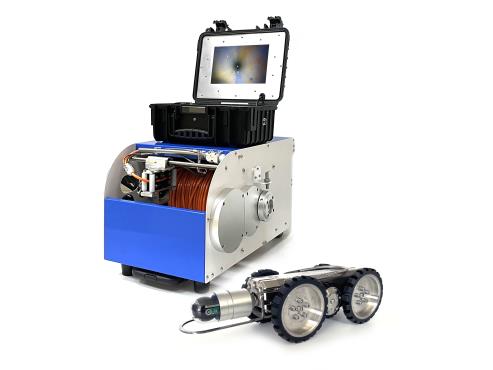
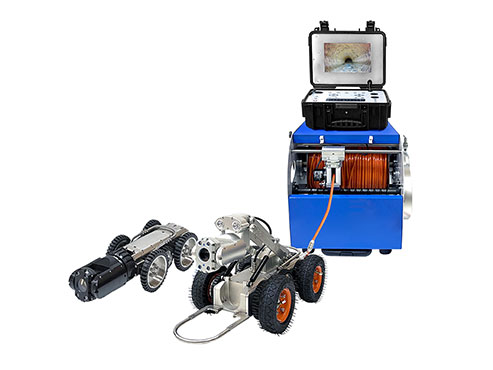
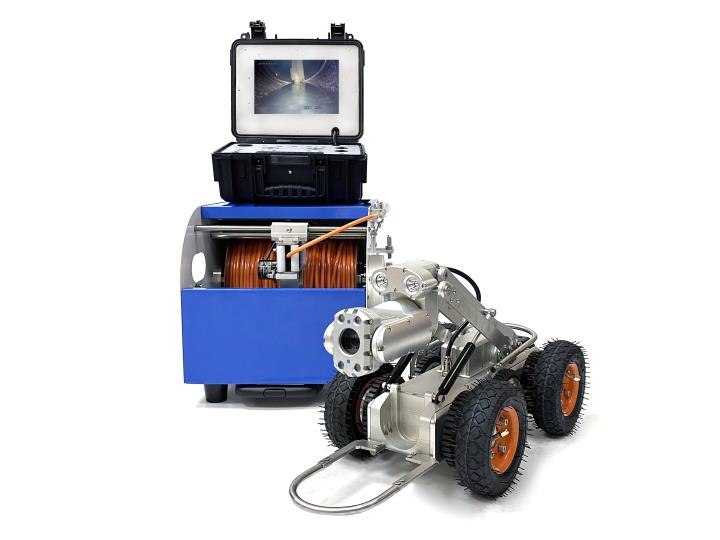
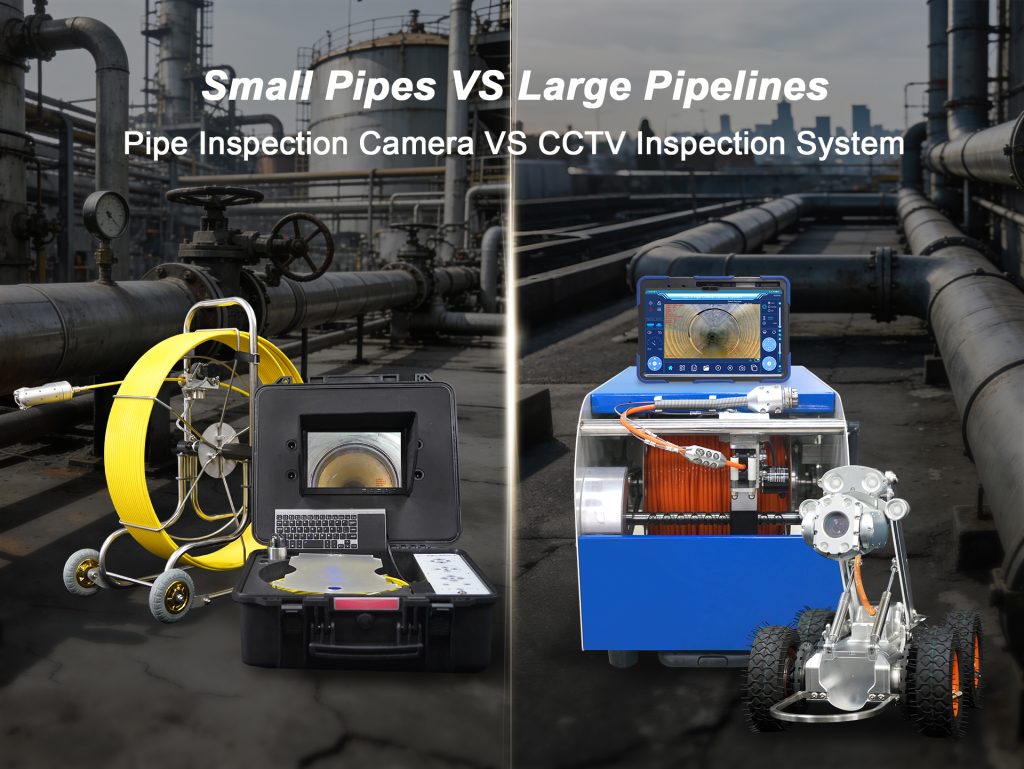
Use a pipe inspection camera or robotic crawler (It can be selected according to the pipeline size.) to locate the exact blockage point before any inspect begins. Visual confirmation saves you from excavating in the wrong place. If measurement is required, you can purchase equipment with laser measurement capabilities.
Sign 2
You Can See Rust, Cracks, or Wet Spots on the Pipe Surface. External problems usually indicate a worse internal condition. Rust streaks running down a joint. A damp patch on the soil above a buried line. A hairline crack on an exposed section. These aren't cosmetic issues — they're evidence that the pipe wall or joint is compromised.
Document these symptoms immediately:
- Rust-colored staining at welded joints or couplings
- Persistent moisture or mold near buried pipelines
- Surface cracking on above-ground or exposed runs
Pipe internal corrosion, weld joint separation, and micro-fractures all show up on the outside before they become catastrophic failure.
Solution:
CCTV inspection robotic camera can maintenance pipe on the affected segment or all pipe. You need to know how long the damage has spread before you can plan a repair — not after you've opened up the site.
Sign 3:
You've Cleaned the Pipe Blockage Twice. It Came Back Again.
Recurring blockages are one of the most misunderstood pipeline inspection warning signs in pipe maintenance.
If the same section blocks up every few weeks despite regular jetting or cleaning, the problem isn't the debris. It's the pipe. Structural causes behind recurring blockages:
Pipe belly (sagging) — a low point in the line where debris accumulates naturally
Offset or cracked joints — allowing root infiltration that keeps growing back
Collapsed sections — creating a catch point that traps solids every time
There have pipeline inspection warning signs, Cleaning without pipe inspecting is expensive or useless in the long run. You're treating the symptom, not the cause.
Solution:
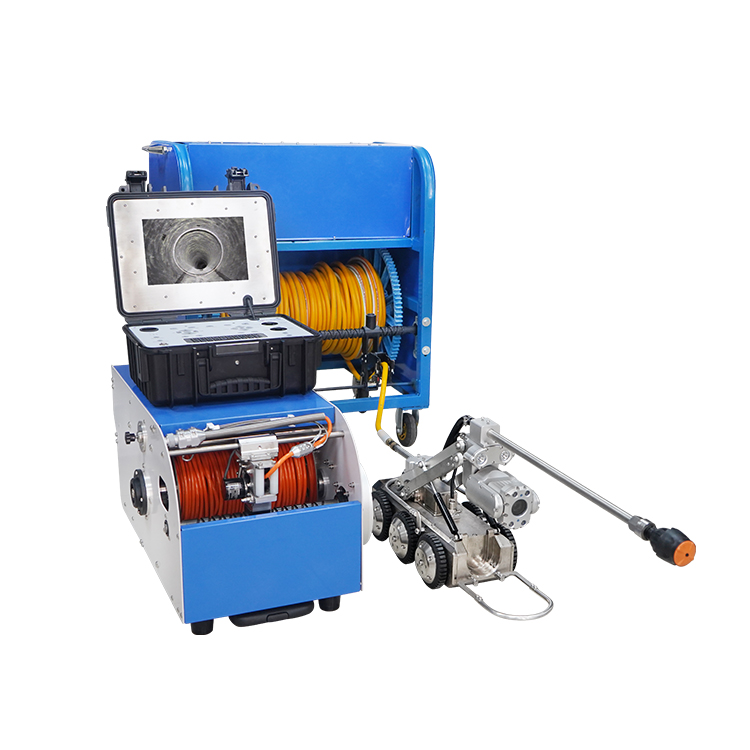
A robotic inspection system with HD cameras and 3D model function profiling maps the exact deformation point. Your team can then plan a targeted repair — instead of cleaning the same section for the fifth time this year. or choose the pipe inspection robot with cleaning function, During the inspection, problems are identified and addressed promptly, leading to higher efficiency.
Sign 4:
Something Smells Wrong. Or the Water Quality Has Changed.
For water supply and wastewater pipelines, output quality is your most direct indicator of pipe integrity.
Don't ignore it. Take inspection action if you notice:
Sulfur or chemical odors near pipeline access points or manholes, Discoloration or cloudiness in downstream water, Unexpected contaminants in treated or processed output
These symptoms usually mean one thing: a cracked or failed pipe is allowing surrounding soil, groundwater, or process fluid to enter the system.
In a water supply context, that's a public health issue. In an industrial setting, it's a regulatory violation.
Solution:
Pair water quality testing with a full pipe robotic visual inspection. Many cctv pipe robotic crawlers operate in partially-flowing lines, so you don't have to shut down the system to find the problem.
Sign 5:
Your Pipes Are Old — and You Don't Have Current Inspection Data.
Age alone is enough to justify an inspection. Many industrial and municipal pipelines operate well past their design lifespan. Without current condition data, you're making maintenance decisions based on assumptions — not facts.
Know your risk limit:
Steel pipes over 25–30 years: Significant corrosion risk, especially at joints and bends.
Concrete sewer pipes over 50 years: Structural fatigue and cracking are common condition.
Older jointing materials (lead, asbestos cement): Degrade unpredictably; no two pipes fail the same way.
There's also a compliance dimension. Regulatory bodies in the US (EPA) and Europe (EN standards) increasingly require documented inspection records for aging infrastructure assets.
No inspection data = no compliance documentation = no defense if something goes wrong.
Solutions:
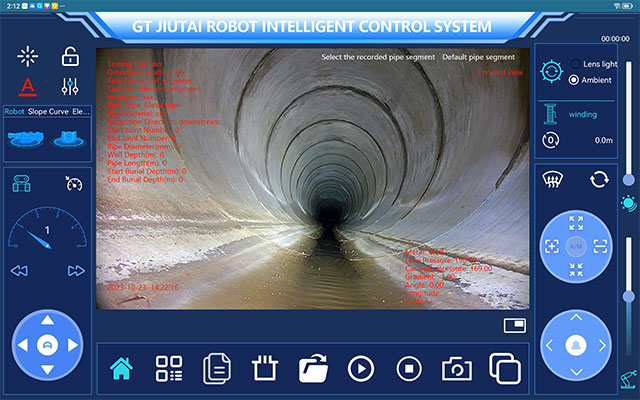
Commission a contractor conduct a comprehensive inspection of the pipelines to establish a current condition baseline. That data supports capital planning, justifies maintenance budgets, and protects you in the event of a regulatory audit. Also can inspection pipe by yourself, since now cctv pipe inspection crawler support one lick generated inspection report! very convenience!
Why Robotic Inspection Systems Are the Right Tool for All Five Signs
The traditional inspection methods is not only unsafe but also inefficient.
Pipe inspection robots solve these problems directly:
| Capability | What It Does in Practice |
| HD / 4MGP camera | Captures sharp, detailed footage of cracks, corrosion, and joint displacement — even in long, dark pipeline runs. No guesswork when reviewing defect footage. |
| Laser Measurement | Quantifies pipe deformation, blockage geometry, and wall thickness loss with precision. Turns visual data into numbers your engineering team can act on. |
| IP68 Waterproof | Operates in fully submerged or high-flow conditions — sewer lines, stormwater pipes, and live water mains included. No need to drain the line before inspection. |
| 10 times auto zoom in and out | Identifies hairline cracks and early-stage corrosion from a distance. Spot defects in lateral connections without repositioning the crawler. |
| Replaceable wheel system | Adapts to different pipe diameters and surface conditions on-site. One robot, multiple pipeline types — no need to invest in separate equipment for each job. |
| Inspection report funtion | Generates structured reports with defect logs, location data, and severity ratings automatically. Ready for client handover, regulatory review, or capital planning. |
The output isn't just video footage. It's a complete inspection record your operations team can use to plan repairs, justify budgets, and document compliance.
That's the kind of data your operations team can actually use.
Choosing the Right Inspection Equipment: 5 Factors That Matter
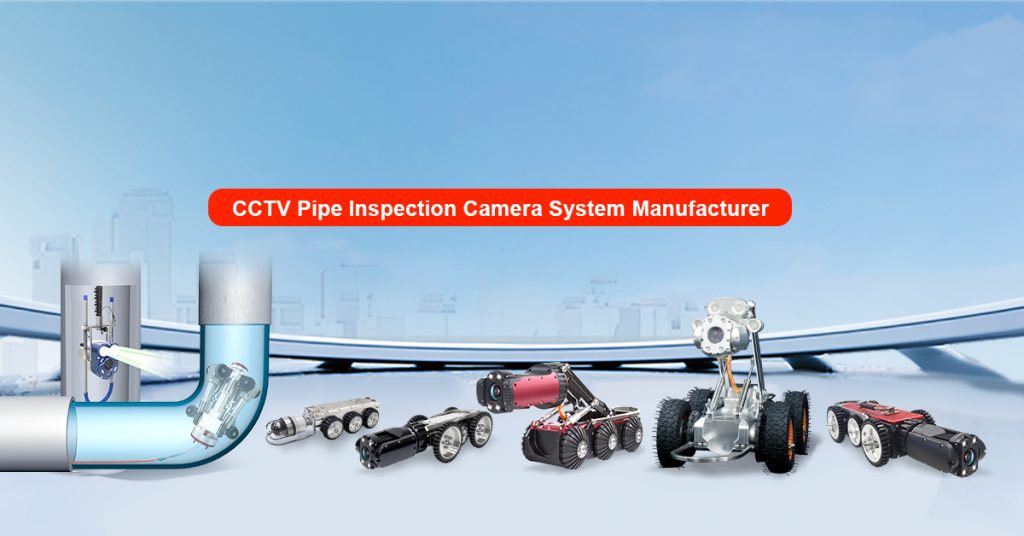
Not all pipe inspection robots are built for the same job. Take our company as an example, Our company has nearly ten different models of pipeline inspection robots. There are models for small pipes, models for large pipes, explosion-proof models, models with adjustable lenses, models suitable for pipe bends, wind power models, etc. Before you invest, check these five things:
- Pipe diameter range
Confirm the robot covers your full inventory — typically 100mm to 3000mm for industrial applications. Some crawlers only handle smaller diameters. - Environment compatibility
Gas lines, wastewater systems, and potable water mains each have different requirements. Check the IP rating and confirm material compatibility with your specific media. - Data output and software integration
Look for systems that export structured reports — video files, laser scan data, GPS-tagged defect logs — in formats that work with your existing asset management platform. - Maneuverability in complex networks
A robot with articulated joints and variable traction control handles bends and inclines that basic pull-through cameras can't reach. Don't underestimate this in older, irregular pipe networks. - Modular Design and After-sales support
Industrial inspection equipment takes a beating in the field. When something wears out, you need to get back to work fast. Look for systems built on a modular architecture, where individual components (camera heads, wheel sets, cable reels) can be identified, ordered, and replaced independently. A good supplier ships replacement parts directly to your site, anywhere in the US or Europe, so your team handles the swap without specialist intervention.
👉 That's faster than scheduling a service visit — and cheaper too.
The inspection itself is never the expensive part. Waiting is.
If your pipeline inspection warning signs has appeared., don't schedule a review for next quarter. Get eyes on the pipe now.
📞 Ready to Inspect Your Pipeline?
Our robotic inspection systems are deployed across industrial, municipal, and infrastructure projects in the wordwide.
👉 Contact us get professional pipe inspection solution and affordable price.